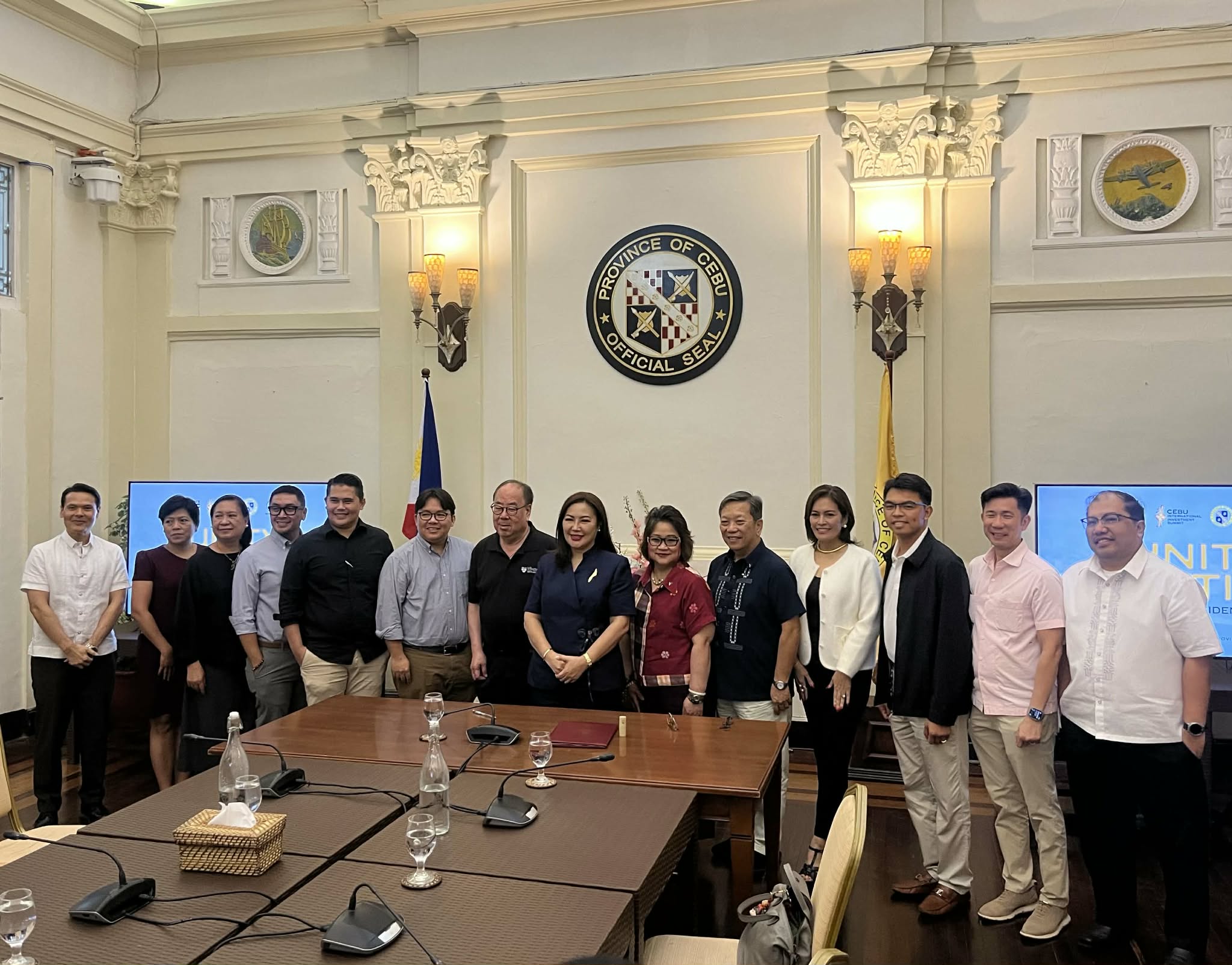

Councilor Joel Garganera is urging that Freedom Park in Carbon Market be formally included in Cebu City’s Heritage Month activities in May and in the annual Gabii sa Kabilin heritage tour, highlighting the site’s historical and civic importance following its recent restoration.
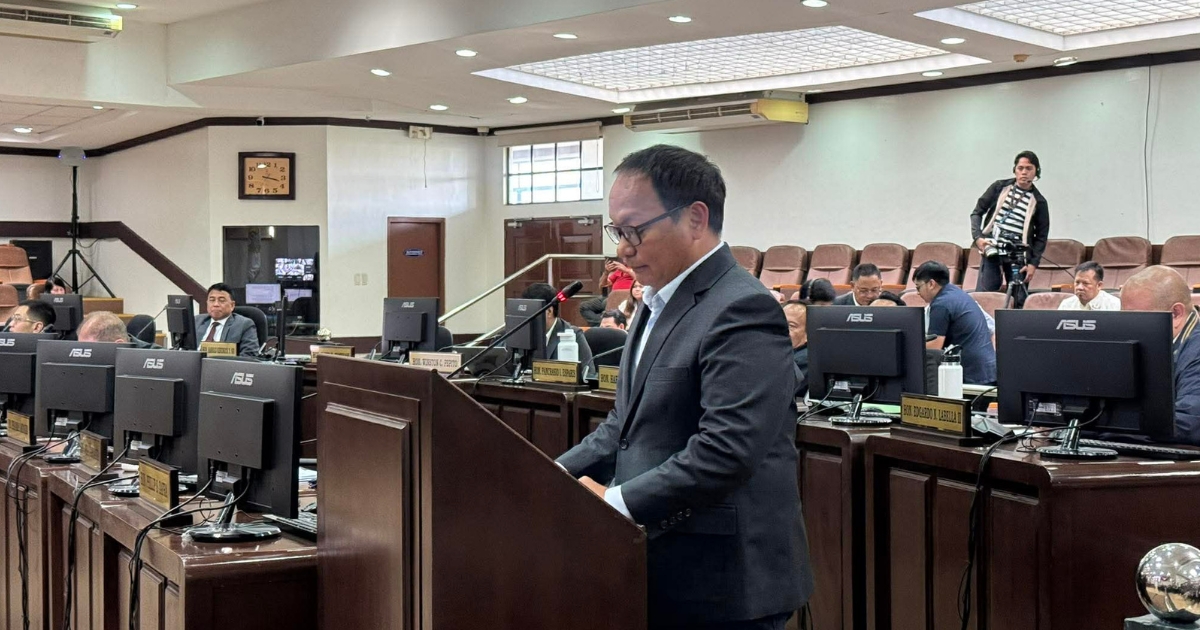
Garganera made the proposal in a privilege speech during the Cebu City Council’s regular session on February 23, where he commended the rehabilitation of the public space and called for heritage policies that go beyond protection to include restoration.
“I rise today to recognize and commend the restoration of Freedom Park in the Carbon Market,” Garganera said.
“This initiative is more than a simple improvement of public space. It reflects a deeper mindfulness of Cebu City’s heritage, usa ka pagpangga sa atong kabilin and a clear intention to preserve the places that shaped our identity as Cebuanos,” he added.
Located along Magallanes Street, across University of San Jose-Recoletos and the Archdiocesan Shrine of Our Lady of Mt. Carmel, Freedom Park has long served as an open civic space where residents gathered for assemblies, discussions, and public expression.
Garganera described the park as a venue that “embodied the democratic spirit long before modern platforms for expression existed.”
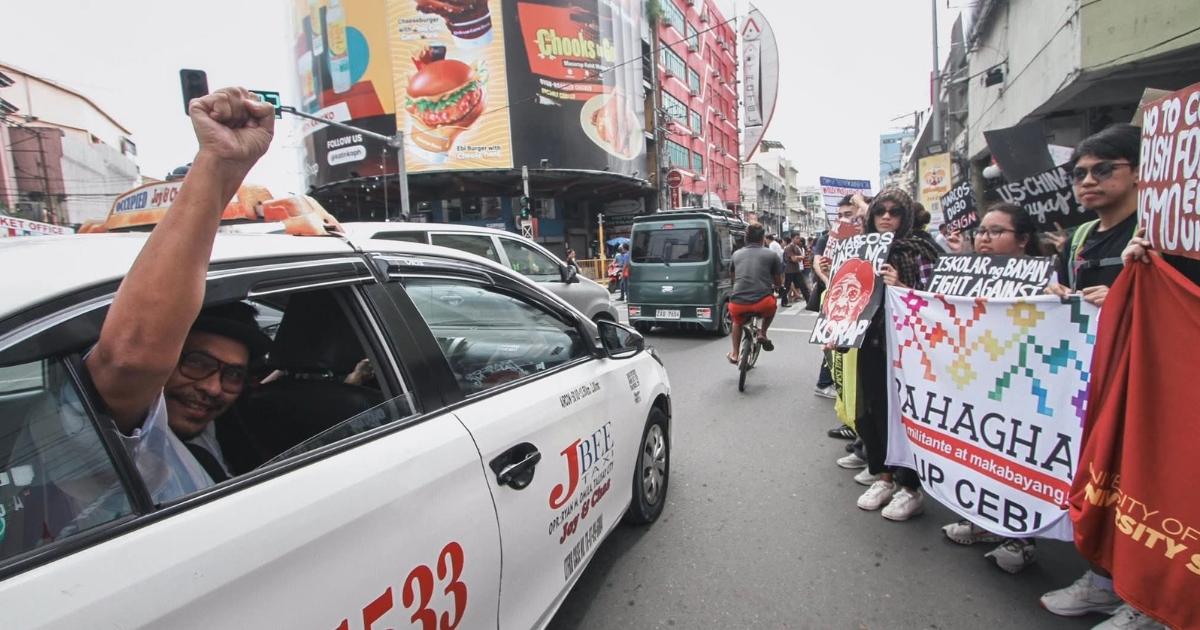
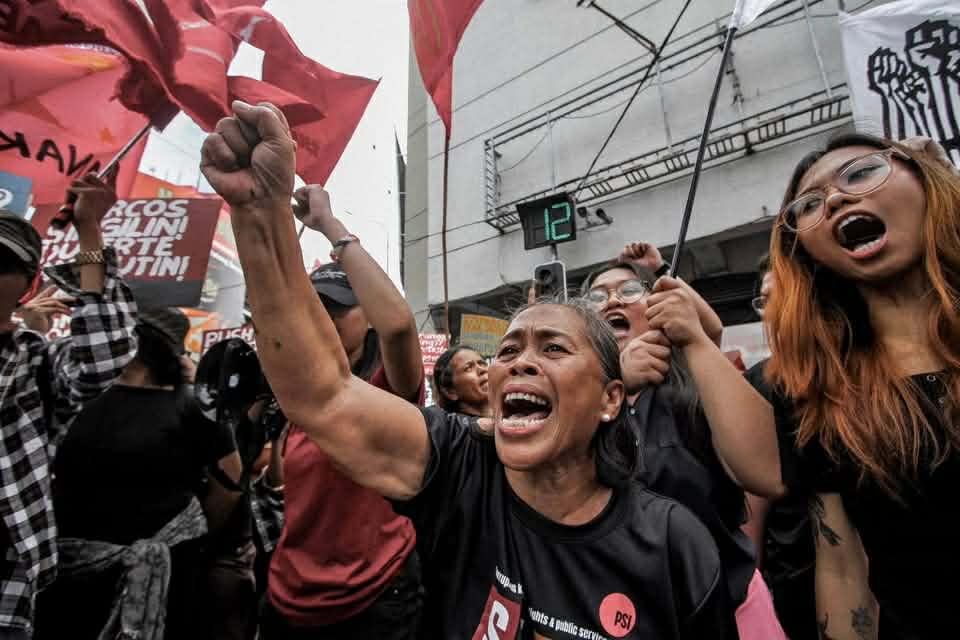
He said he personally witnessed a rally at the park on February 22 during the Red Lantern Festival celebration, which he noted showed the site’s renewed role as a space for civic engagement.
“It was refreshing to see the space once again used for what it was truly meant for: giving people a place to speak, to assemble, and to voice their concerns,” he said, adding that “Freedom Park truly lived up to its name.”
The councilor said the restoration of the Carbon area is not merely cosmetic but aims to revive the park’s original purpose as a public gathering space.
He noted that Freedom Park was historically the center of the city’s flower trade, with vendors selling fresh flowers and crafts, and said they have been “properly and thoughtfully relocated” to improved facilities within the Carbon Market Interim Building, including designated upper-level and rooftop areas.
He added that the relocation protects livelihoods while allowing the open space to function again as a public green area.
“In a highly urbanized city, green spaces are essential,” Garganera said. “They provide cleaner air, cooler surroundings, and places where people from all walks of life can pause and breathe.”
Garganera also recalled authoring the Cultural Heritage and Heritage Site Declaration, Protection, and Preservation Ordinance of Cebu City in October 2020, noting that while it provides for identifying and safeguarding heritage sites, it may be strengthened to explicitly include restoration.
“Protection prevents loss; preservation sustains existence; but restoration revives history and brings meaning back to life,” he said.
He moved for resolutions recognizing the restoration of Freedom Park as both tangible and intangible heritage, formally including it in Heritage Month and Gabii sa Kabilin activities, and requesting the City Tourism Commission and the Cultural and Historical Affairs Office to develop informational markers, heritage signages, and educational materials at the park.
He also urged the Office of the Mayor to convene the Cebu City Heritage District Council, in coordination with the Cultural and Historical Affairs Office, to deliberate on restoration programs and policy improvements for Freedom Park and other heritage sites.
“To restore Freedom Park is to preserve more than land. It is to preserve memory,” Garganera said. “Because a city that creates space for its people is a city that truly understands freedom.” (LLP)