
As the holy month of Ramadan officially began in the Philippines on Thursday, a Muslim leader in Baguio called on the faithful to approach the observance with mindfulness, discipline, and a focus on the spiritual and social dimensions of fasting.
Imam Samsodin Monid, president of the Baguio-Benguet Muslim Association, said that while fasting is commonly associated with abstaining from food and drink, its practice encompasses far more.
The essence of Ramadan, he explained, involves moderating words, behavior, and actions throughout the day.
“Ang pag-aayuno hindi lang po sa pagkain ang pinag-aayunuhan kundi kahit galaw namin, pananalita. Walang kabuluhan ang pag-aayuno kapag nagsasalita ng masama sa kapwa, malicious na pananalita, hindi yan allowed sa pag-aayuno,” Monid said.
He stressed that the use of hurtful, malicious, or offensive speech undermines the spiritual purpose of fasting.
He also urged Muslims to be cautious about their conduct on social media during the holy month.
Sharing messages or posts with double meanings, arguments, or divisive content, he said, should be avoided to maintain a spirit of reflection and moral integrity.
Monid encouraged the faithful to fully dedicate their time and energy to Ramadan, saying the observance should permeate all aspects of daily life.
“Sana ay isagawa natin ang buwan ng Ramadan ng buong buhay, buong oras natin. Kailangan natin itong ipakita sa dakilang Panginoon na tayo ay nagbago kasi ang binabago ng buwan ng Ramadan ay lahat ng galaw or oras ng tinatawag na Muslim ay kailangan may kabuluhan sa paglilingkod sa dakilang Panginoon,” he said.
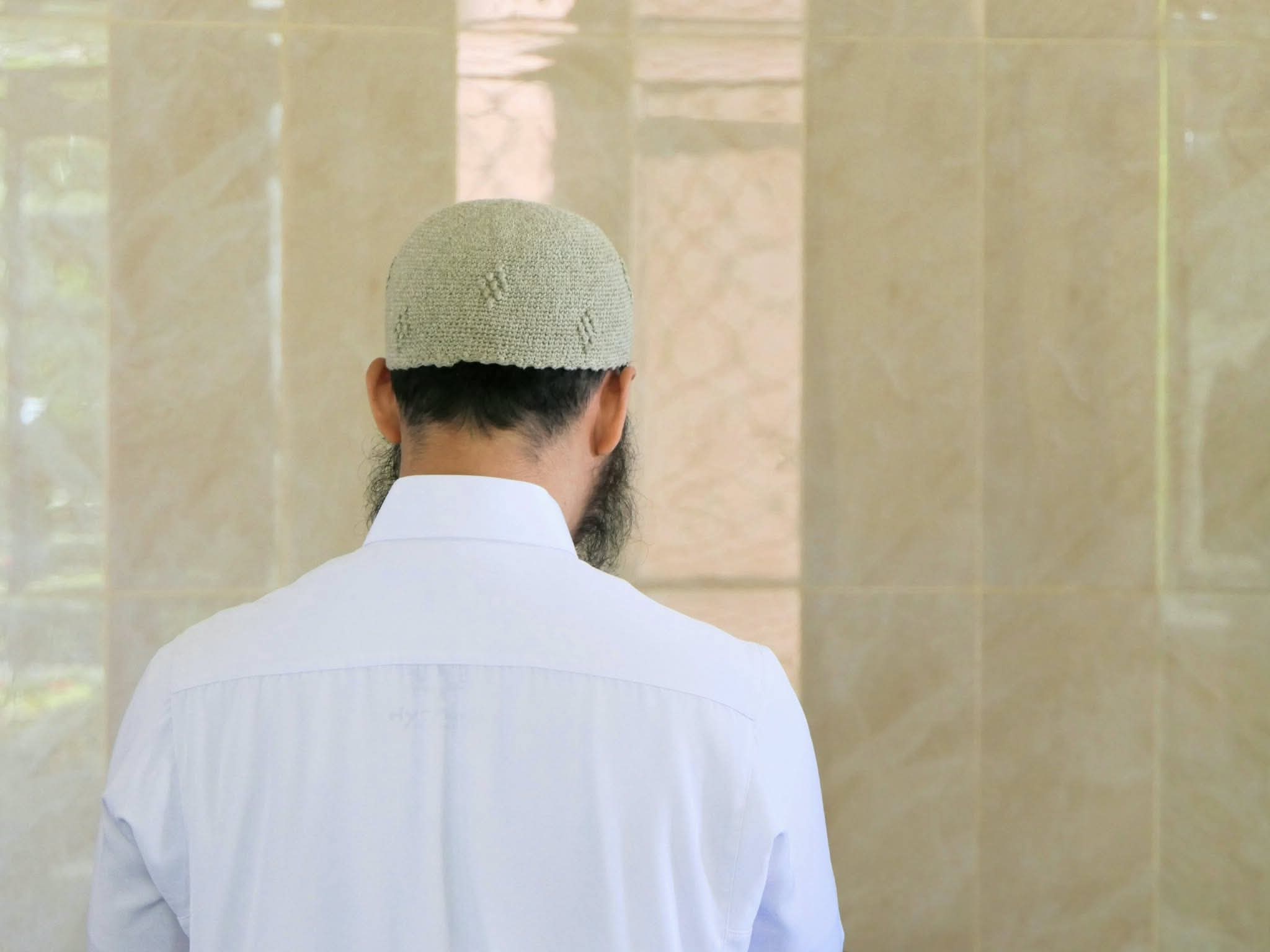
The imam also emphasized the importance of communal prayer.
Men are encouraged to attend mosque prayers whenever possible, while those living far from mosques may perform their prayers at home.
Baguio City has 10 mosques where Muslims can gather for daily prayers, including the five mandatory daily prayers and special Ramadan night prayers known as Taraweeh.
Beyond fasting and prayer, Monid reminded the community that Ramadan is also a time for reflection, self-discipline, and acts of charity.
The holy month calls on Muslims to engage in helping others, supporting those in need, and fostering goodwill within their communities.
By combining these spiritual practices with abstinence from food and drink from dawn to sunset, the faithful demonstrate both devotion and personal growth.
Ramadan, one of the Five Pillars of Islam, serves as a period of heightened spiritual awareness, encouraging believers to deepen their relationship with God while promoting patience, compassion, and ethical behavior.
Monid said that the month provides an opportunity to reform not just one’s eating habits, but the entire conduct of daily life.
“The spiritual aspect of Ramadan is just as important as the physical practice,” Monid said, noting that fasting should be an exercise in mindfulness and moral development.
Through reflection, prayer, and community engagement, the observance aims to transform both the individual and the broader society, reinforcing core values of empathy, restraint, and service. (with PNA reports)