

Cebu is bringing senior care closer to home, mandating every town and city to establish dedicated centers for the province’s elderly residents.
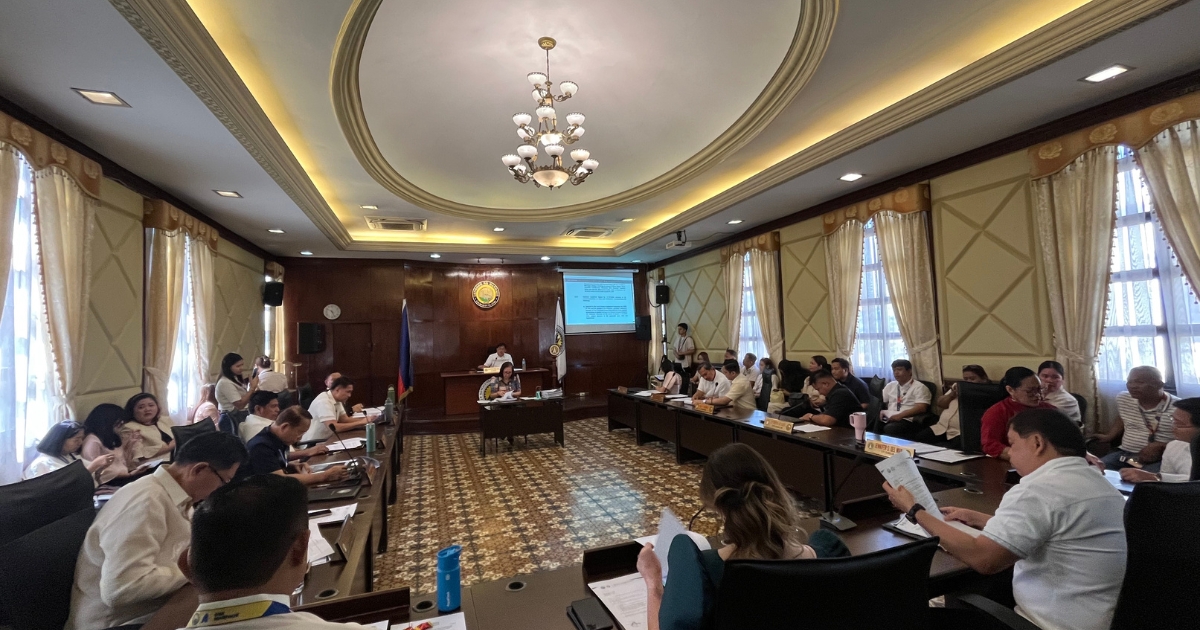
The 17th Sangguniang Panlalawigan of Cebu approved on third and final reading an ordinance requiring all municipalities and component cities to set up Senior Citizens Community Care Centers.
The measure was passed during the provincial board’s regular session on February 16, 2026.
Authored by Provincial Board Member Julius Anthony G. Corominas, chairperson of the committee on senior citizens, the ordinance frames elderly care not just as a service, but as a right, ensuring dignity and active participation in community life.
The legislation draws authority from Section 9, Article XIII of the 1987 Constitution, which obligates the State to protect and promote the welfare of senior citizens, as well as Republic Acts 9994 and 7876, which mandate integrated support systems and senior citizens centers nationwide.
Each LGU is now required to establish a fully operational center, complete with its own utilities, designed to address the physical, emotional, social, and economic needs of residents aged 60 and above.
Services will include wellness programs for vision, dental, and hearing care, along with psychosocial, spiritual, and mental health support. Lifestyle coaching, nutrition planning, and age-appropriate exercise programs are also mandated.
The ordinance also requires palliative care for seniors with chronic or life-limiting conditions and caregiver respite services to give temporary relief to family members providing daily care.
Centers will serve as venues for livelihood training and small-scale economic activities, acknowledging the continued contributions of older adults. Socialization programs will foster interaction, rebuild community networks, and strengthen a sense of belonging.
Preparedness for emergencies is another focus. Staff, volunteers, and community leaders will undergo disaster risk awareness and training to ensure seniors are assisted during crises.
Qualified personnel must be assigned to operate each center, and LGUs may also engage private volunteers with expertise in medical, educational, or other senior-focused services.
Access to services is open to senior citizens aged 60 and above, with assessments conducted by the respective LGU’s Office for Senior Citizens Affairs (OSCA).
Those deemed ineligible due to medical conditions will be referred to appropriate government agencies for necessary care.
To ease operational costs, centers will be exempt from customs duties, taxes, and tariffs on imported equipment and will receive at least a 50 percent discount on electricity, water, and telephone bills.
Funding will come from LGU allocations, with the provincial government authorized to provide supplemental support, technical assistance, and training.
Oversight will be carried out by the National Commission on Senior Citizens in Central Visayas, in coordination with provincial and local OSCAs, which must submit annual performance reports to the Office of the Governor and the Provincial Board. (SBA)