



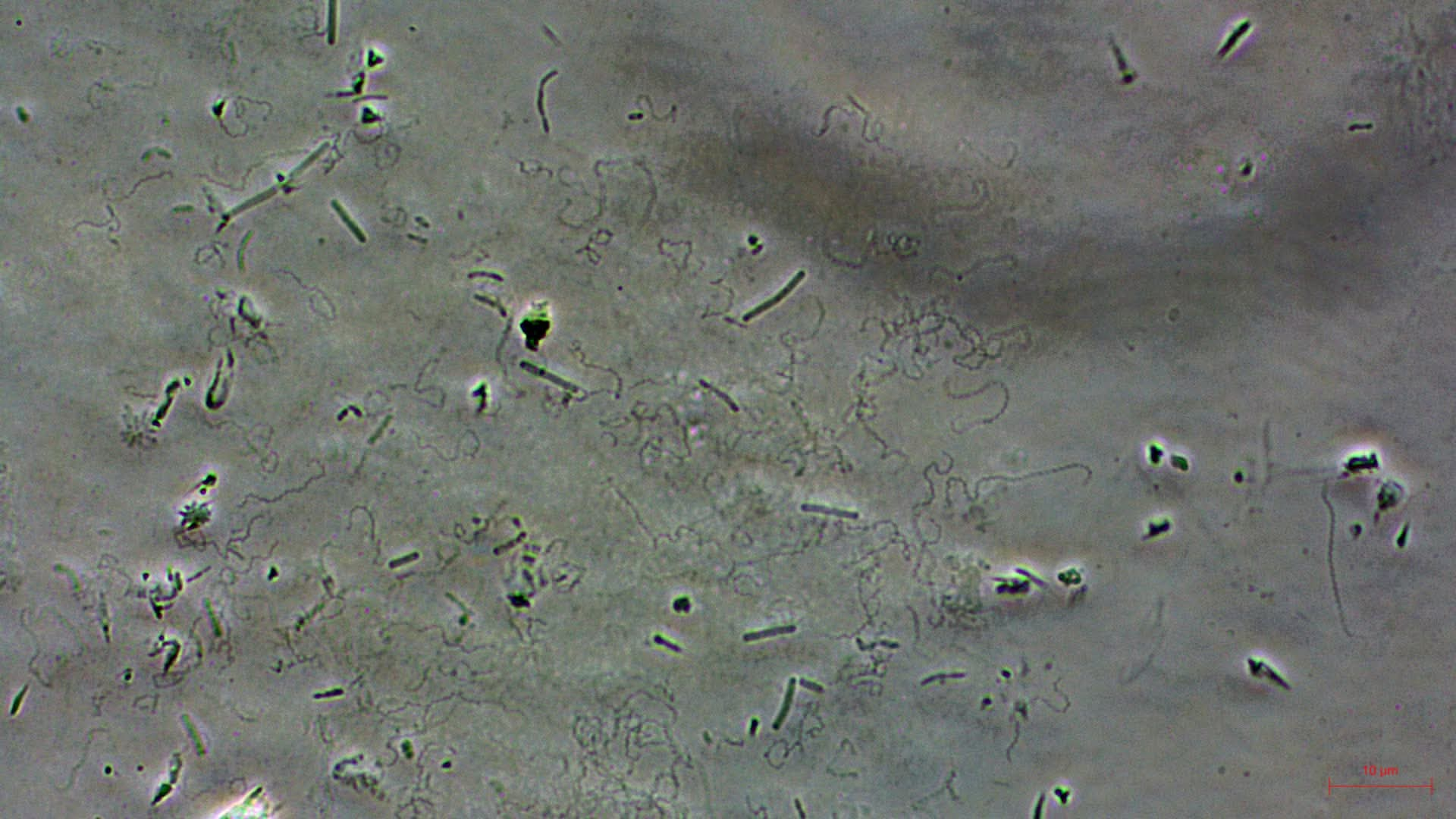
Disease-causing bacteria associated with leptospirosis have been detected across five sampling sites along an urban waterway in Metro Manila, challenging the idea that contamination may be concentrated in isolated hotspots, according to researchers from the University of the Philippines Diliman.
The researchers found Leptospira bacteria in soil and water samples collected from Estero de Paco, a waterway running through densely populated and flood-prone communities.
The findings suggest that contamination may extend across an entire urban waterway, highlighting the need for broader disease surveillance and public health measures, particularly during the rainy and flooding seasons.
Ram Julius L. Marababol and Dr. Windell L. Rivera of the UP Diliman College of Science’s Institute of Biology and the Philippine Genome Center examined 448 bacterial isolates collected from five sites along the estero.
Their analysis found no statistically significant differences in the presence of *Leptospira* between upstream and downstream locations or between soil and water samples.
The results indicate that the bacteria were not confined to one particular section of the waterway or one type of environmental sample.
Researchers also identified two Leptospira strains carrying the lipL32 gene, a genetic marker commonly associated with disease-causing strains of the bacteria.
Genetic sequencing identified the strains as *Leptospira yasudae, a species known to infect humans and animals.
According to the researchers, this marks the first time L. yasudae has been genetically sequenced from a sample collected in the Philippines.
A comparison with the only two other genomes of the species available at the time, from Mayotte and Brazil, showed that the Philippine strains were genetically distinct. The researchers said this could indicate a previously undocumented local lineage.
In a companion study published in *Microbiology Resource Announcements*, the team reported the first complete draft genome of *L. yasudae* recovered from Philippine soil.
The genome contains about 4.5 million base pairs and represents only the 10th genome of the species sequenced worldwide, adding Philippine data to the limited genetic record of the bacterium.
“Most people picture leptospirosis risk as something you catch from an obvious flood puddle after a typhoon,” Marababol said.
“What our data show is that the bacteria carrying the potential to make people sick aren’t waiting for a flood to arrive; they are already living in the soil and water of an ordinary city waterway, spread evenly across it, all year round,” he added.
Rivera said the absence of isolated hotspots points to the need for surveillance and intervention strategies that cover entire waterways rather than focusing on a few contaminated locations.
“The absence of isolated hotspots is itself the alarming part,” Rivera said.
“It means the old model of pointing to one contaminated spot and cleaning it up isn’t going to be enough. If an entire waterway is functioning as a single, connected reservoir, then surveillance and intervention have to be rethought at the scale of the whole system, not a handful of sampling points,” he added.
Leptospirosis is a bacterial disease associated with exposure to water or soil contaminated by infected animals’ urine.
Flooding can increase the risk of human exposure by spreading contaminated water into communities.
The researchers noted that the disease is a neglected tropical disease and that its burden can be underestimated because of underdiagnosis.
However, the studies did not determine how many people had been infected by the identified strains or establish whether the bacteria were responsible for any recent increase in reported leptospirosis cases.
Instead, the findings confirm the presence of potentially disease-causing Leptospira across multiple sites along Estero de Paco, using bacterial culture, molecular testing and genetic analysis.
The researchers said the results underscore the importance of accounting for the widespread presence of the bacteria in urban waterways when planning disease surveillance during flood season and informing the public about leptospirosis risks.
Both studies received support from the Department of Science and Technology under Project No. 9258 and were conducted by the UP Diliman Institute of Biology’s Pathogen-Host-Environment Interactions Research Laboratory in partnership with the Philippine Genome Center.
Photo courtesy of UPD-CS Science Communications















Comments