



The Philippines is tightening its crackdown on Philippine Offshore Gaming Operators (POGOs) and smaller scam hubs, with authorities warning that operators are shifting to less conspicuous locations to evade detection as criminal networks spread across Southeast Asia.
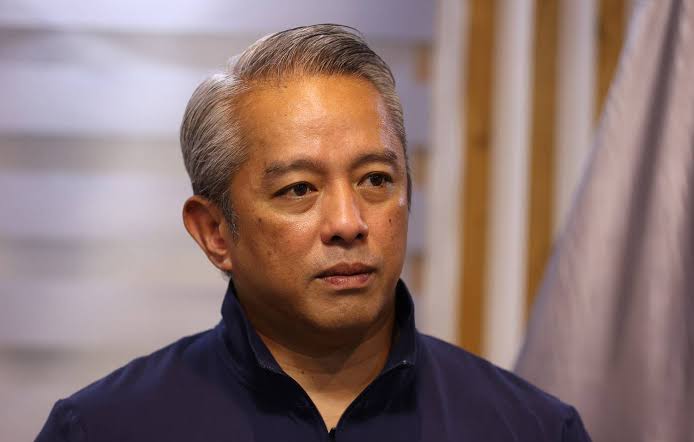
Department of the Interior and Local Government (DILG) Secretary Jonvic Remulla said the problem requires coordinated action among countries because scam operations are no longer confined to one jurisdiction.
“[Scam hubs] are an international problem. Micro [hubs] are not confined here in the Philippines. It is all over Southeast Asia,” Remulla said during a press briefing in Makati City on Wednesday.
Remulla, who chairs the ASEAN Ministerial Meeting on Transnational Crime (AMMTC), said stricter enforcement against scam hubs was discussed with regional delegates and incorporated into the ASEAN Joint Declaration.
He said the Philippines was coordinating with other countries to share information and strengthen enforcement efforts against cross-border criminal operations.
Remulla credited the administration of President Ferdinand Marcos Jr. with banning POGOs and pursuing operations against illegal gambling and scam centers. He said the government would also prevent their return.
“It is the administration of President Bongbong Marcos Jr. who actively stopped POGOs and it is also his instruction for us to make sure that they do not return,” he said.
As an example of the continuing crackdown, Remulla cited a raid this month in Zamboanga Sibugay that resulted in the apprehension of 244 foreign nationals over suspected illegal gambling operations in violation of Republic Act 12312, or the Anti-POGO Act of 2025.
Scam operators shift to smaller hubs
Remulla said operators were adapting to enforcement efforts by abandoning large-scale facilities in favor of smaller operations that are harder to detect.
Instead of concentrating thousands of people in a single building, some operators now run micro hubs with 10 to 20 people in rented houses, he said.
Authorities are using different methods to identify possible operations, including monitoring electricity and internet consumption and tracking the movements of suspicious individuals.
The shift toward smaller sites poses additional challenges for law enforcement as operators attempt to avoid detection and continue their activities.
The Philippines is also engaging ASEAN member states and its Plus Three partners, China, Japan and South Korea, through dialogues and consultations aimed at aligning regional efforts against scam networks.
These efforts come as the Philippines prepares to host the 49th ASEAN Summit in November, providing another opportunity for regional leaders to discuss cooperation against transnational crime.
Photo courtesy of Inquirer.net















Comments