



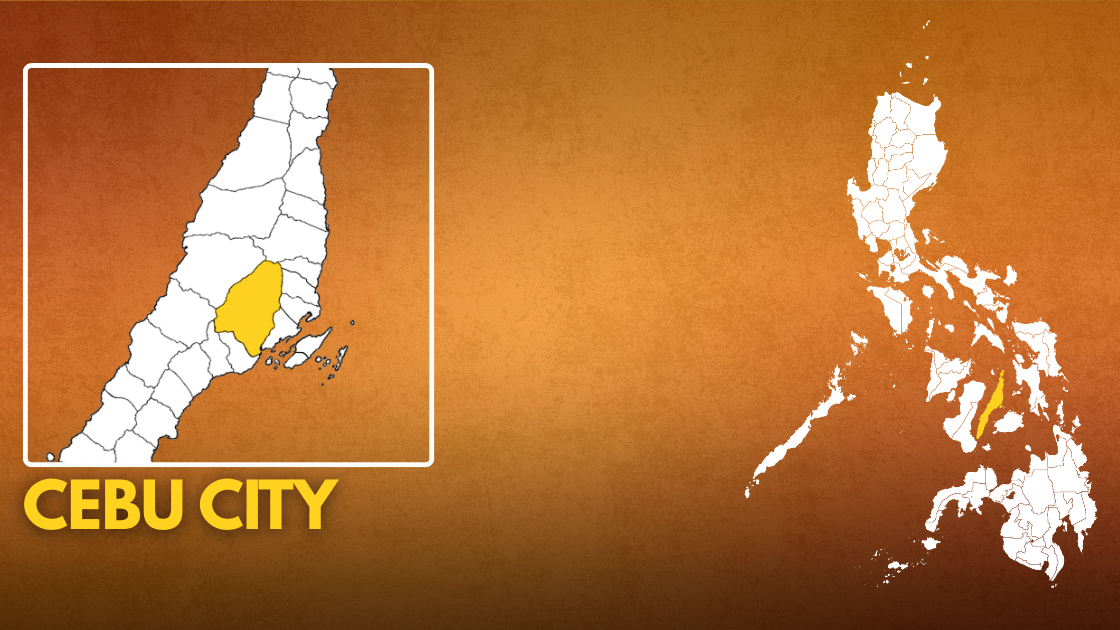
More than three-fourths of Cebu Province’s barangays have been classified as drug-cleared, with 816 of the province’s 1,066 barangays now holding the status, according to the Philippine Drug Enforcement Agency in Central Visayas (PDEA 7).
The figure represents 76.5% of the province’s barangays, a significant increase from the 245 barangays, or 23%, classified as drug-cleared in 2017.
PDEA 7 Investigation Agent Romy Alcantara presented the latest figures during the third-quarter meeting of focal persons from the City and Municipal Anti-Drug Abuse Councils (C/MADACs) at the Capitol Social Hall on Sept. 22.
Based on PDEA 7 data as of Sept. 17, 18 barangays were classified as drug-free, while 232 remained drug-affected.
PDEA distinguishes drug-cleared barangays from drug-free communities based on their classification and the interventions undertaken to address illegal drug activities.
Drug-cleared barangays are communities previously identified as drug-affected because of the presence of drug personalities or illegal drug activities but have completed the requirements for clearing.
Drug-free barangays, meanwhile, are communities where authorities have not identified the presence of illegal drug users, pushers, drug dens or other illegal drug activities.
Alcantara said the Barangay Drug Clearing Program focuses not only on suppressing illegal drug activities but also on providing interventions to people identified as being involved in illegal drugs.
“Ang gusto kasi ng Barangay Drug Clearing Program is gamotin natin ang na-involved sa illegal drugs, ‘yan yung nasa listahan, ‘yan yung bibigyan ng interventions,” Alcantara said.
He also said communities without identified drug personalities should remain part of preventive programs to keep residents from becoming involved in illegal drugs.
“Yung wala sa listahan, bigyan ng advocacy campaign nang hindi na sila ma-involved sa illegal drugs,” he said.
The latest figures come as the Cebu Provincial Government moves to strengthen its anti-drug programs through closer coordination with national government agencies and local anti-drug councils.
One of the measures being pursued by the administration of Gov. Pamela Baricuatro is the restoration of the Cebu Provincial Anti-Drug Abuse Division (CPADAD) as a full-fledged department.
Baricuatro said CPADAD previously operated as a department during the administration of former governor Hilario Davide III before it was reduced to a division under the succeeding administration.
The governor also said the restructuring resulted in a reduction in personnel from around 40 employees to three, consisting of one regular employee and two job order workers.
The proposed restoration is intended to provide the province with a stronger institutional structure for its anti-drug programs and improve coordination with national agencies and local governments.
With 232 barangays still classified as drug-affected, the province continues to require intervention, monitoring and preventive education alongside its clearing efforts.
The anti-drug strategy therefore covers both interventions for communities already affected by illegal drugs and preventive advocacy in barangays that have not been identified as drug-affected.















Comments