
Government agencies in Central Visayas are expanding the scope of nutrition advocacy by linking food and health outcomes to environmental protection and climate resilience as preparations begin for the 52nd Nutrition Month in July.
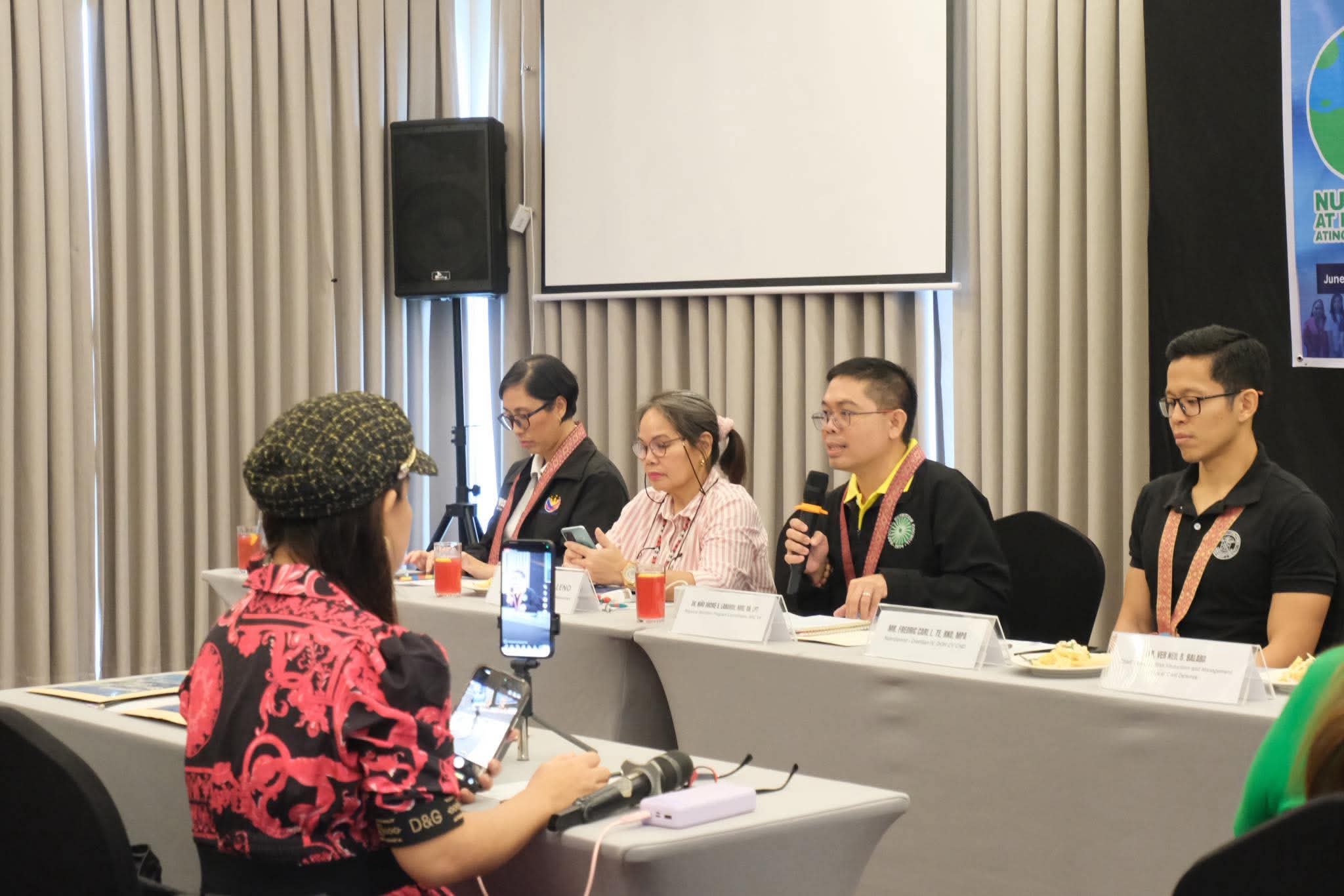
During a press conference on Monday, June 29, the National Nutrition Council in Central Visayas (NNC 7), together with partner agencies, formally launched the regional observance anchored on the sub-theme “Nutrisyon at Kalikasan, Ating Pangalagaan!”
Officials said this year’s campaign moves beyond promoting proper diet, emphasizing that nutrition is closely tied to the condition of ecosystems and the growing impact of climate change on food systems.
Dr. Niño Archie S. Labordo, regional nutrition program coordinator of NNC 7, said nutrition challenges persist throughout the year and require sustained action beyond the July observance.
He pointed to climate-related disruptions such as floods, drought, and erratic rainfall as continuing threats to food availability and diet quality.
Labordo underscored the role of the environment in food production and nutrition outcomes.
“We are calling that we shape the importance of the environment… because doon tayo kumukuha, humuhugot ng pagkain para magkaroon ng healthy na pangangatawan,” he said.
He added that disruptions in food systems directly affect access and availability of food at the household level.
“Secondly, we also need to protect and strengthen the food systems because if there are a disruption of our food system, walang mapupunta or accessibility or availability of food to our table or the family table,” he said.
The Department of Health in Central Visayas expressed support for the initiative, with Nutritionist-Dietitian IV Fredric Carl L. Te noting that health outcomes are strongly shaped by food systems influenced by environmental conditions.
From the Department of Environment and Natural Resources (DENR), Joan Joyce Rosana Canoy-Calleno highlighted the role of ecosystems in sustaining agriculture and fisheries, which are central to food security and nutrition.
She also discussed challenges observed in upland communities, including tree planting practices and environmental awareness gaps in some areas.
“So nakita ko, kahit dito sa Region 7… they do not know how to plant trees properly,” she said.
Calleno also noted concerns raised on forestry practices and emphasized the importance of proper monitoring of tree planting activities, including survival rates and replacement of failed plantings.
She stressed the need to maintain soil health, citing the use of organic fertilizers to help preserve fertility and reduce acidity.
NNC 7 data presented during the briefing showed continuing malnutrition concerns in the region, with underweight prevalence at 16.6 percent, stunting at 22.7 percent, and wasting at 4.6 percent.
Localized surveillance data also showed stunting and severe stunting cases in Cebu at 7.41 percent, affecting more than 20,000 children, with other areas in Central Visayas reporting similar challenges.
Officials said climate change is increasingly affecting nutrition outcomes by reducing agricultural productivity and affecting the nutrient content of staple crops, including iron and zinc.
The 2026 Nutrition Month campaign is anchored on the Philippine Plan of Action for Nutrition (PPAN) 2023–2028, integrating nutrition and climate goals under a whole-of-society approach.
The campaign outlines objectives that include raising public awareness on the link between climate and nutrition, encouraging sustainable diets, strengthening collaboration among stakeholders, and supporting stronger nutrition and climate-related policies.
Key activities will promote balanced diets guided by Pinggang Pinoy, food waste reduction, community and school gardens, and improved nutrition practices for children such as breastfeeding and complementary feeding.
Government agencies, local government units, schools, and development partners are expected to take part in coordinated activities throughout the month-long observance, with reports submitted for monitoring and regional consolidation due by August 18.

Comments