
The Marcos administration is proposing a P7.2-trillion national budget for 2027, equivalent to 21.7 percent of the country’s gross domestic product (GDP), as the government moves to align spending priorities with what officials describe as tighter fiscal conditions and rising mandatory expenditures.
Based on National Budget Memorandum (NBM) 158 issued by the Department of Budget and Management (DBM), the proposed 2027 budget is 6 percent or P407 billion higher than the P6.793-trillion national budget for 2026.
The memorandum, signed by DBM Acting Secretary Kim Robert de Leon and posted on the agency’s website on Friday, outlines the government’s early budget preparation framework and priority spending directions.
“The proposed budget for next year will focus on programs, activities and projects (PAPs) that seek to create better opportunities and address the needs of the Filipino people, helping ensure a more resilient and secure future for all,” the DBM said.
De Leon said agency proposals will undergo strict review to ensure funds are directed to “productive and key development expenditures,” with emphasis on implementation readiness and agencies’ absorptive capacity.
He stressed that the goal is to ensure “every budgeted peso translates to meaningful and tangible accomplishments.”
The DBM also cited what it described as “a very narrow fiscal space,” pointing to automatic appropriations such as National Tax Allotment (NTA) shares of local government units and interest payments, along with mandatory spending requirements and newly enacted laws.
“All proposed PAPs should have undergone the necessary review and approval by relevant oversight agencies or committees within the prescribed budget preparation timelines to be considered for funding in the proposed FY 2027 Budget,” the memorandum stated.
Priority will be given to pre-construction activities, counterpart funding for foreign-assisted projects, and remaining requirements for flagship infrastructure programs aimed at speeding up completion and maximizing economic impact.
The fiscal framework for 2027 was anchored on macroeconomic assumptions and fiscal aggregates approved by the Development Budget Coordination Committee (DBCC) through an ad referendum on June 16.
Recalibrating fiscal policy
Alongside the budget proposal, the DBCC said it is recalibrating fiscal policy to support economic growth and protect vulnerable sectors amid global and domestic pressures, including geopolitical tensions, climate events such as El Niño, and climate change impacts.
The memorandum noted that current macroeconomic conditions and geopolitical developments have “increasingly undermined” earlier growth targets under the Updated Medium-Term Fiscal Framework for 2026 to 2030, approved in October 2025.
It cited the effects of alleged anomalies in flood control projects and international conflicts involving the United States, Israel, and Iran as factors affecting economic performance and fiscal projections.
“These further constrained the national government’s ability to meet its revenue targets, sustain economic growth, address key development gaps, and consolidate gains from past structural reforms and poverty reduction efforts,” the DBCC said.
The Philippine economy grew by 4.4 percent in 2025, reflecting resilience but slowing due to climate-related disruptions, weakened construction activity, and softer private consumption.
Deficit targets for 2026 to 2030 have been adjusted upward to reflect a more realistic fiscal stance while maintaining a gradual consolidation path. The deficit is still projected to decline by an average of 0.5 percentage points annually, from 5.4 percent of GDP in 2026 to 3.5 percent by 2030.
De Leon said stronger expenditure prioritization and efficiency measures will be key to maintaining fiscal discipline, while reducing non-essential maintenance and operating costs.
“These initiatives must be complemented by ensuring strict compliance with the provisions of the New Government Procurement Act, expediting the implementation of the Government Optimization Program, and facilitating full devolution,” he said.
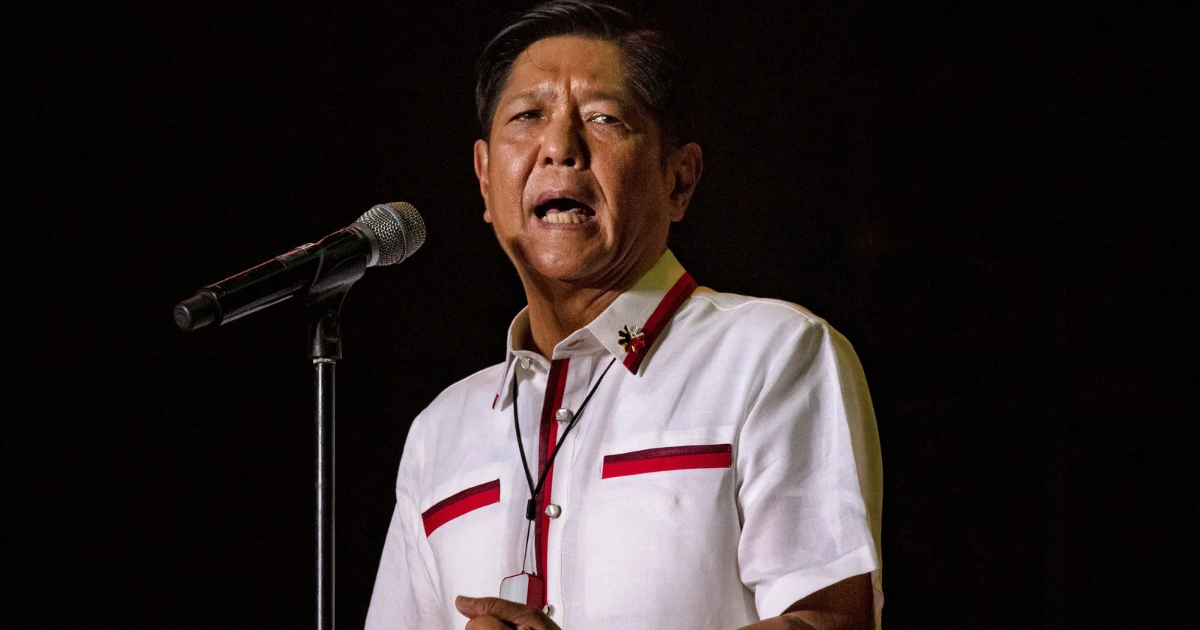
Photo courtesy of Bloomberg

Comments