
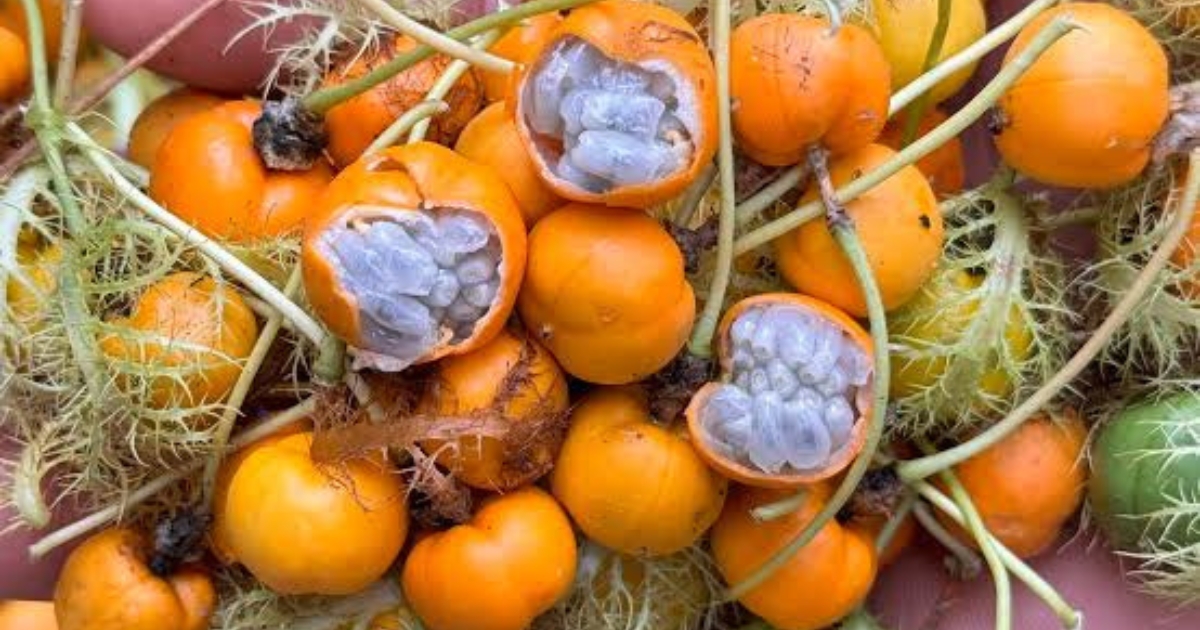
A wild vine found growing along roadsides and open fields is becoming the subject of conversation after claims about its potential health benefits resurfaced on social media and community forums.
The plant, locally known as “utot-utot” and scientifically identified as Passiflora foetida, is often ignored or removed as an unwanted weed. However, some herbal enthusiasts and traditional healers say the vine has been used for generations as part of natural home remedies.
Interest in the vine stems from claims that it contains naturally occurring compounds, including antioxidants and flavonoids, which are believed to help protect the body from cellular damage. Over the years, some communities have also used preparations made from its leaves and roots as part of traditional remedies for respiratory concerns.
Its growing reputation has also been fueled by stories from individuals who believe the plant promotes relaxation and helps calm the mind, making it a popular topic among those interested in alternative wellness practices.
Despite the attention it is receiving, health professionals remind the public that anecdotal experiences and traditional beliefs do not automatically guarantee medical effectiveness. Experts emphasize the need for further scientific research to fully understand the plant’s properties, benefits, and possible risks.
As interest in natural remedies continues to rise, the story of Passiflora foetida highlights a broader trend: ordinary plants once overlooked in backyards and vacant lots are increasingly being revisited for their possible role in health and wellness.
Whether it proves to be a valuable medicinal resource or simply another traditional remedy awaiting further study, the wild vine’s newfound popularity is encouraging more people to take a closer look at the plants growing around them.
Photo courtesy of Kusinerong Biyahero

Comments