
Beachgoers and tourists are being reminded to exercise caution against jellyfish stings this summer season as sightings become more frequent in several coastal areas across the country.
According to the Bureau of Fisheries and Aquatic Resources (BFAR), jellyfish activity typically increases from April to June due to warmer seawater temperatures and changing marine conditions.
While many jellyfish stings only result in temporary pain, redness, and skin irritation, authorities warn that certain species, particularly box jellyfish, can cause severe allergic reactions, breathing difficulties, cardiac complications, and in rare cases, death if immediate medical attention is not provided.
A study conducted in 2005 by marine stinger expert P. J. Fenner also found that dangerous box jellyfish are commonly present in shallow coastal waters during calm sea conditions and periods of weak winds.
Indicators of Possible Jellyfish Presence
Authorities advise swimmers, divers, and tourists to carefully assess coastal conditions before entering the water. Warning signs that jellyfish may be present in an area include:
• Jellyfish washed ashore or visibly floating near the shoreline
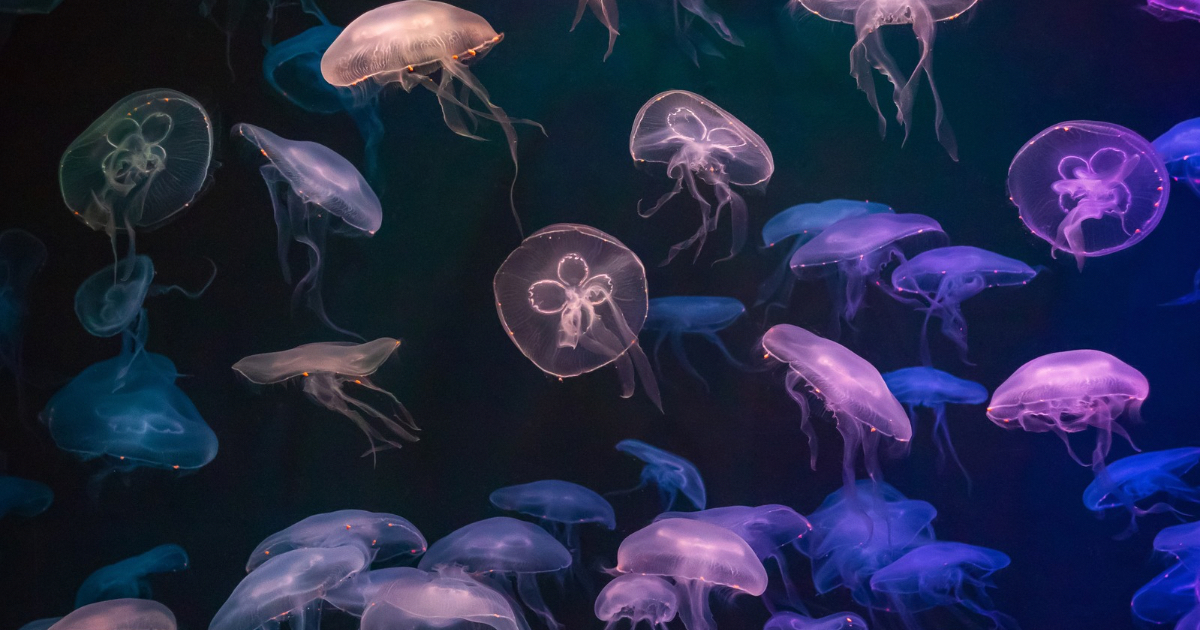
• Transparent, bluish, pink, or purple gelatin-like organisms in the water
• Calm sea conditions with minimal waves and weak winds
• Warning advisories or flags issued by local authorities
• Reports of recent jellyfish sting incidents from beachgoers
• Presence of floating tentacles or unusual marine clusters near swimming areas
Beachgoers are strongly advised to avoid entering the water if jellyfish are visibly present.
Recommended First Aid for Jellyfish Stings
Health experts emphasize that immediate and proper first aid is essential in minimizing the effects of jellyfish venom and preventing further complications.
1. Exit the Water Immediately
Victims should calmly leave the water to avoid additional stings and reduce the risk of panic or drowning.
2. Avoid Rubbing the Affected Area
Rubbing or scratching the skin may trigger additional venom release from remaining stinging cells.
3. Rinse the Area With Vinegar
If available, vinegar should be poured continuously over the affected area for at least 30 seconds to help neutralize the venom, particularly from box jellyfish stings.
If vinegar is unavailable, seawater may be used carefully. Fresh water should be avoided as it may worsen venom discharge.
4. Remove Tentacles Carefully
Visible tentacles should be removed using tweezers, gloves, sticks, or similar objects. Direct skin contact with the tentacles must be avoided.
5. Apply Hot Water
Immersing or rinsing the affected area in hot water for approximately 20 to 45 minutes may help relieve pain and discomfort.
6. Seek Immediate Medical Assistance
Victims experiencing severe pain, chest tightness, difficulty breathing, dizziness, vomiting, swelling, or loss of consciousness should be brought to the nearest medical facility immediately.
Children, senior citizens, and individuals with pre-existing medical conditions or allergies are likewise encouraged to seek professional medical care even for moderate stings.
Public Safety Reminders
Authorities continue to encourage the public to observe safety measures while visiting beaches and coastal destinations, including:
• Following official beach advisories and warning signs
• Wearing protective swimwear when possible
• Avoiding swimming alone
• Refraining from touching jellyfish washed ashore
• Bringing basic first aid supplies, including vinegar, during beach trips
BFAR and local authorities continue to monitor coastal conditions and remind the public to remain vigilant to ensure a safe and enjoyable summer season.

Comments