
Cebu Province is moving to strengthen child protection policies as cases of abuse, neglect, exploitation, and online harm continue to raise concern nationwide.
The Cebu Provincial Board has begun deliberations on the proposed “2026 Children’s Code of the Province of Cebu,” which passed first reading and is expected to serve as a comprehensive framework for child welfare programs across the province.
Authored by Board Member Lakambini G. Reluya, the measure seeks to unify efforts of government agencies, schools, communities, and families in protecting children and safeguarding their rights.
The draft ordinance stresses protection not only from physical harm but also from exploitation, discrimination, hazardous labor, trafficking, and online abuse.
“The people of the Province of Cebu recognize that children are foundation of the future,” the proposal stated.
It also emphasized the shared responsibility of institutions and communities in ensuring children’s welfare.
“We commit to creating a province where every child can live free from abuse, neglect, exploitation and discrimination, where families, communities and government work together to nurture, guide and protect them,” it read.
Under the proposed code, the provincial government will institutionalize child-centered programs covering health, nutrition, education, psychosocial support, disaster response, and youth participation.
It also aims to strengthen access to basic services such as birth registration, healthcare, education, safe housing, clean water, and opportunities in sports, arts, and cultural development.
The measure gives special attention to vulnerable groups, including abused and neglected children, street children, children with disabilities, indigenous children, and those affected by poverty and disasters.
It also addresses rising concerns on online exploitation and cyber abuse, with provisions promoting digital literacy and child-safe online practices.
In schools, the proposal calls for safe, inclusive, and non-violent learning environments, stronger anti-bullying policies, and education on child rights.
Families and communities are likewise encouraged to take an active role in reporting abuse cases and supporting child protection programs.
The ordinance also strengthens child protection structures, including the Provincial Council for the Protection of Children, local child protection councils, and dedicated police child protection desks.
It includes provisions on juvenile justice, focusing on rehabilitation and restorative approaches for children in conflict with the law rather than detention.
If approved, the Children’s Code will require dedicated funding for child welfare programs and the formulation of implementing rules within 90 days after enactment. (SBA)
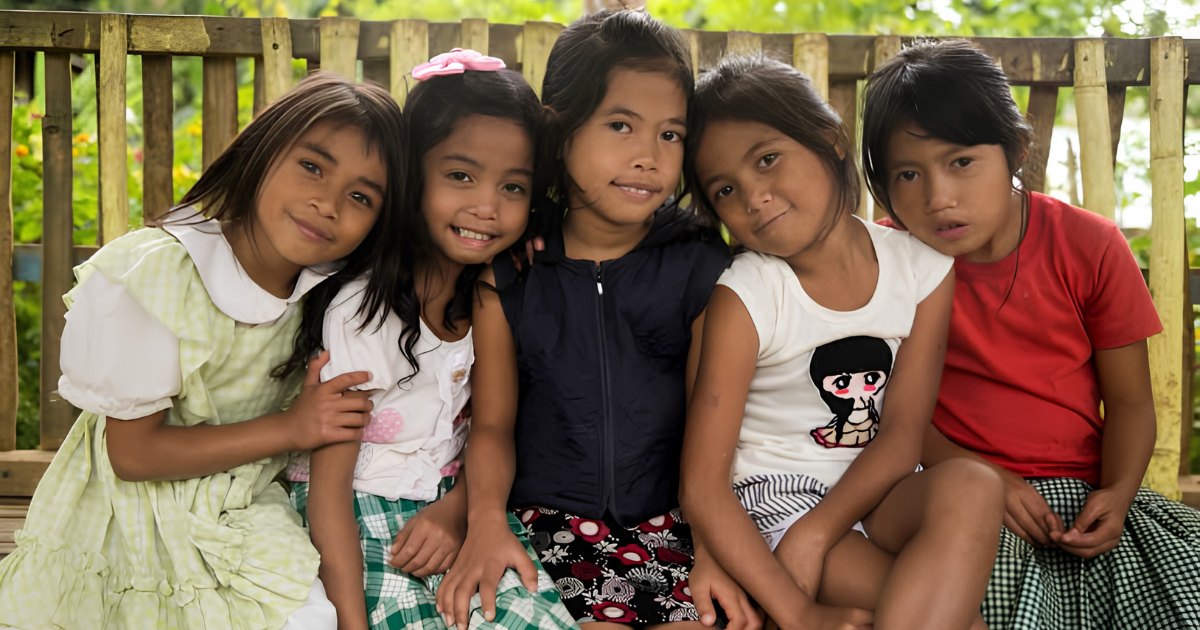
Photo courtesy of Save the Children Philippines

Comments