
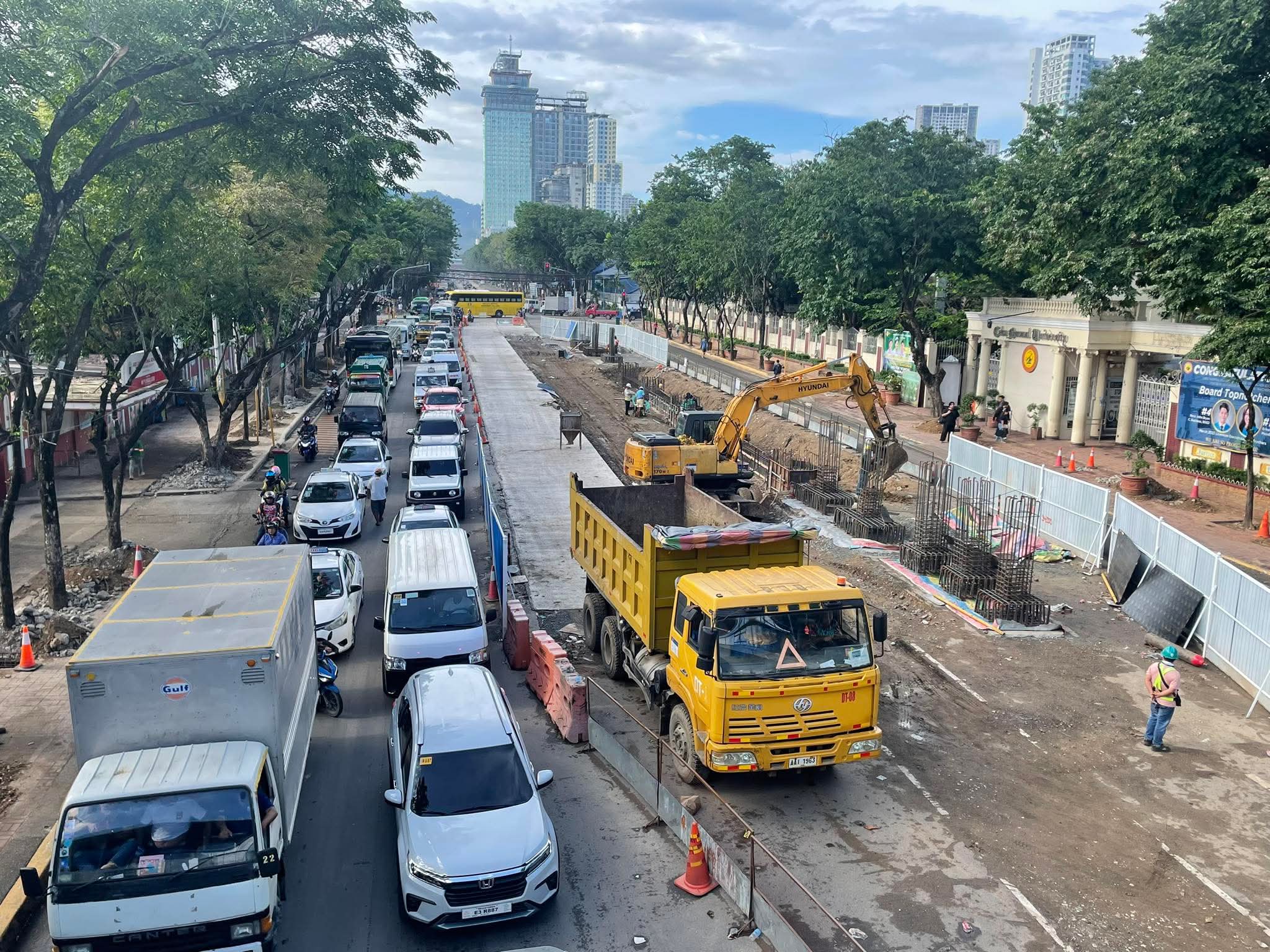
Cebuanos may finally ride the first operational segment of the Cebu Bus Rapid Transit (BRT) system by March 2026.
Transportation Secretary Giovanni Lopez confirmed in an interview on Friday, February 20, that the Department of Transportation is aiming to begin initial operations within the first quarter of the year.
“As of now, 97% na tayo, meron lang kaming inaayos na 3%. As to the act date of schedule, we are targeting this March, hopefully this March,” Lopez said.
He explained that the remaining work consists mainly of punch-list items, including final cosmetic touch-ups, minor structural adjustments, detailed quality checks, and compliance requirements.
These steps are meant to ensure the project fully aligns with the approved program of works, engineering design specifications, and regulatory standards before handover.
“Alam niyo naman pod pagdating sa gobyerno, not only pagnakita ang proyekto, pwede na. Kailangan mo pang itama, itugma ang mga papeles na sa iyo,” he said.
The Cebu BRT is funded through a P28.78-billion loan from the World Bank, making documentation and compliance processes more stringent under foreign-assisted funding conditions.
Before opening to the public, the DOTr will conduct a dry run to test operations and minimize potential disruptions.
Package 1 covers the initial corridor from the Cebu South Bus Terminal to Fuente Osmeña Circle and forms part of the wider Cebu BRT network.
Once operational, the segment is projected to serve up to 34,000 passengers daily.
The project was originally targeted for full operations by the second quarter of 2025 but encountered delays due to procurement changes and administrative adjustments.
The World Bank loan supporting the project is set to expire in September 2026, prompting the DOTr to study alternative arrangements to complete the remaining phases.
Lopez said the government is exploring the possibility of implementing succeeding components through a public-private partnership, particularly for operations and maintenance.
“We have to explore alternative means,” he said.
He added that private sector participation could help ensure timely completion without diverting funds intended for social services, noting that any PPP component would undergo market sounding and competitive bidding to ensure transparency.
Meanwhile, discussions continue over the proposed Capitol Station near the Cebu Provincial Capitol.
Transportation officials are coordinating with the National Historical Commission of the Philippines due to existing provincial resolutions restricting the construction of permanent structures along the road median fronting the Capitol.
Officials clarified that completion of the Capitol Station is not required for the March 2026 target, as Package 1 is designed to operate independently.
Despite earlier setbacks, the DOTr said it remains confident that Cebuanos will experience initial BRT operations within the first quarter of 2026, with safety, reliability, and compliance as key priorities. (LLP)
Photo by Kaiser Jan Fuentes