Cebu City is preparing to gradually enforce waste segregation next year as part of a broader effort to tackle the city’s growing garbage problem.
The Cebu City Solid Waste Management Board (CCSWMB) has recommended that the City Government begin phased implementation of segregation policies in 2026. Mayor Nestor Archival welcomed the proposal but emphasized that no enforcement will occur until residents are fully informed through a comprehensive public information campaign.
“Ang ato lang, kinahanglan ma-inform ang public,” Archival said, stressing that education and clear communication must precede any policy rollout.
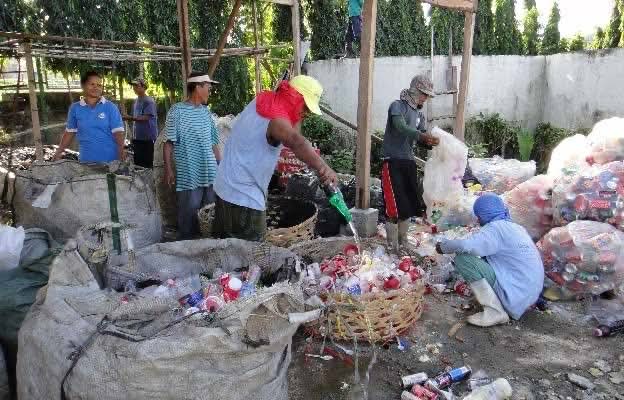
During a meeting led by CCSWMB head Emma Ramas, officials reported that about 20 private dump trucks are currently collecting garbage along major roads. Once segregation is enforced, waste collectors may be instructed not to collect non-biodegradable waste on specific days, while inspectors will monitor compliance.
Archival also directed the board to draft a resolution supporting the recommendation to formally make waste segregation a city mandate and to prepare clear guidelines for residents on separating biodegradable and non-biodegradable waste. Barangay Enforcement Officers (BEOs) will be assigned to monitor hotspot areas where improper disposal remains prevalent.
To prepare residents, the city will conduct information drives, including flyer distributions, radio interviews, school visits, and teacher assemblies to cascade proper segregation practices at the community level.
“Once ang atong siyudad mahimo ni, ma-share ni sa ubang areas. Muna fight against garbage,” Archival said.
Stricter penalties and ordinance updates
The phased enforcement complements proposed updates to Cebu City’s waste laws. Councilor Dave Tumulak filed an ordinance amending City Ordinance No. 2031, the city’s waste segregation-at-source measure passed in 2004 under Republic Act 9003, the Ecological Solid Waste Management Act of 2000.
The amendment seeks to align local policies with the Extended Producer Responsibility (EPR) Act of 2022, tightening compliance, raising penalties, and increasing accountability among households and business establishments.
Under the proposal, individuals violating segregation rules may face fines ranging from P1,000 for a first offense to P5,000 and/or six months’ imprisonment for repeat violations, with community service as an alternative. Responsible officers in businesses may also be held personally liable.
Tumulak said the ordinance update reflects the EPR Act and its 2023 implementing rules, which set plastic packaging waste recovery targets from 20 percent in 2023 to 80 percent by 2028. Local adoption of these standards aims to strengthen Cebu City’s commitment to reducing plastic waste while ensuring shared responsibility among producers, businesses, and communities.
The measure also reinforces a “No Segregation, No Collection” policy covering biodegradable, non-biodegradable, recyclable, hazardous, and bulky waste. Barangays and deputized personnel will enforce compliance, issuing citation tickets to violators, with a portion of compromise fees returned to barangays and apprehending officers.
Public information campaigns will accompany the enforcement, led by the Cebu City Environment and Natural Resources Office, the Department of Environment and Natural Resources, and the Solid Waste Management Board, focusing on waste segregation, composting, and recycling.
City officials said the combined approach of education, phased enforcement, and stricter penalties is designed to drive long-term compliance and improve solid waste management across Cebu City. (LLP)