



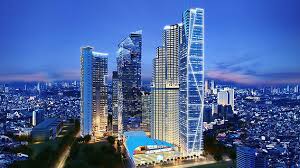
Property developer Robbie Antonio is pushing for a broader approach to Philippine tourism, emphasizing infrastructure, technology and long-term investment to create destinations that attract higher-value visitors and generate lasting economic benefits.
The country’s tourism industry directly contributed 8.1% to the economy in 2025, equivalent to P2.27 trillion, and supported an estimated 7.70 million jobs, according to figures cited in the industry outlook.
However, inbound tourism spending declined by 6.4% to P698.46 billion, highlighting the need to improve the visitor experience and strengthen the country’s capacity to attract and retain higher-spending travelers.
Antonio said the Philippines must complement its natural attractions with dependable infrastructure, modern facilities and business environments that build confidence among tourists and investors.
“We need to project more than beauty,” he said. “We must show we’re ready with reliable systems, modern architecture, and thriving business centers. That’s how we build confidence in the country.”
The approach aligns with broader calls to strengthen connectivity, improve regulation and increase investment in tourism-related infrastructure.
The World Bank’s latest Philippines Economic Update projects economic growth of 5.3% in 2026 and identifies tourism as one of the sectors that could benefit from these improvements.
Antonio also sees land banks as strategic assets for developing tourism destinations in phases, allowing investors to adapt to changing travel preferences while coordinating development with transportation, utilities and surrounding communities.
Rather than focusing solely on property construction, he advocates planning land for complementary uses, including sports tourism, wellness facilities and lifestyle developments.
Sports-oriented destinations could accommodate training centers, competition venues, outdoor recreation and event facilities, drawing athletes, families and spectators throughout the year.
Linking these attractions with local hotels, restaurants, retail establishments and transport services could also spread tourism spending across communities.
Wellness developments, meanwhile, could include low-density retreats, fitness facilities, preventive health programs and nature-based activities.
Careful planning would allow these destinations to offer longer stays while preserving landscapes and managing the environmental pressures associated with tourism.
Lifestyle developments could combine residences, hospitality, dining, retail, arts, cultural attractions and public spaces, creating destinations that serve both visitors and local residents.
According to the vision outlined for Philippine tourism, combining these uses could help destinations remain active beyond peak travel seasons and evolve into integrated communities where people can live, work and spend leisure time.
The strategy also emphasizes the importance of preserving flexibility in land use, enabling developers to respond to shifting market demand instead of building out entire properties at once.
Tourism development, however, extends beyond real estate and hospitality. Transportation, digital connectivity, reliable energy, skilled workers, local services and environmental protection also influence a destination’s competitiveness.
The broader goal is to ensure that tourism investments generate economic opportunities for host communities while protecting the natural and cultural assets that draw visitors in the first place.
As the Philippines seeks to translate tourism’s economic contribution into more inclusive and resilient growth, the approach places greater emphasis on the quality of destinations, the opportunities they create and the long-term sustainability of their development.















Comments