
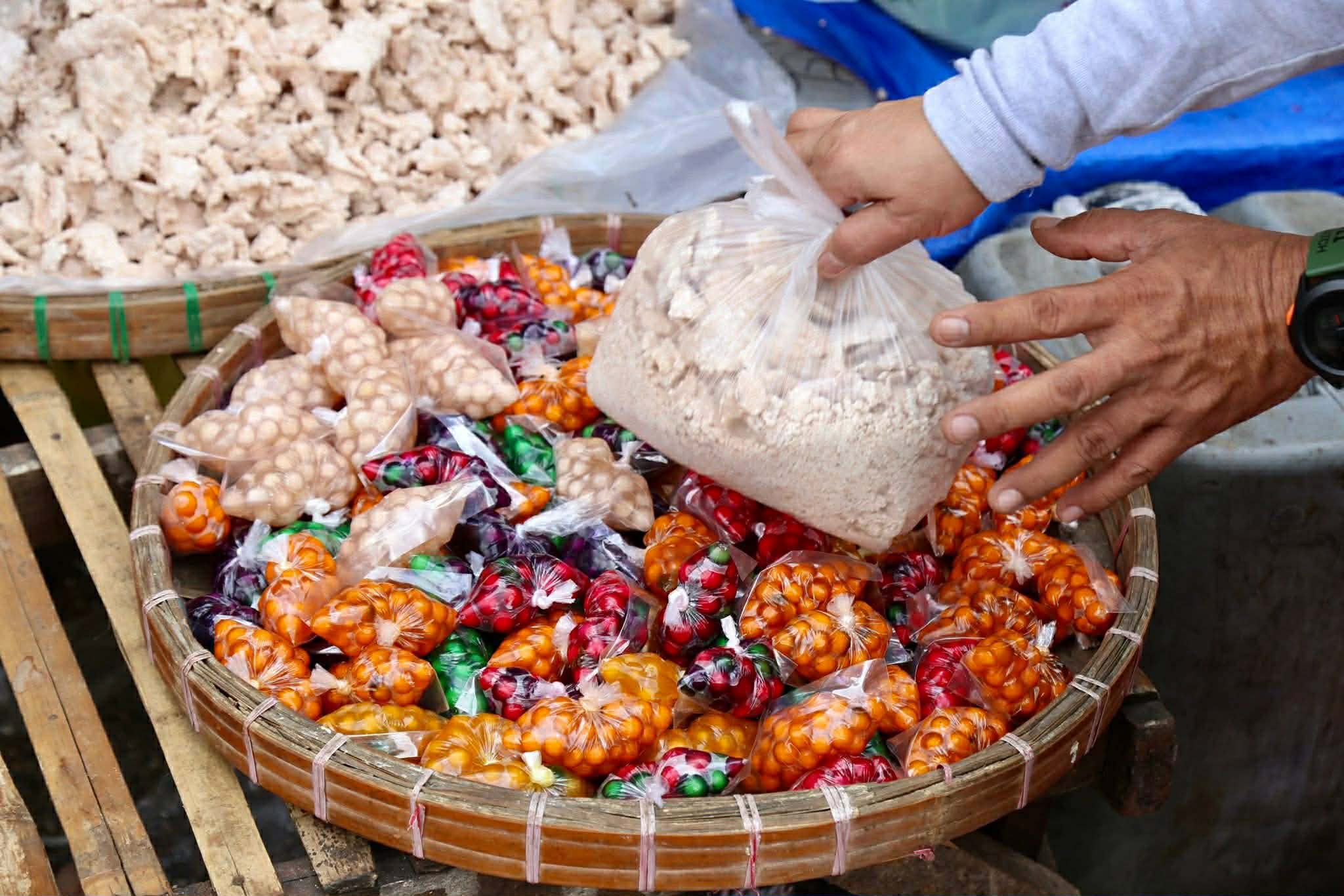
In many parts of the Visayas, especially in Cebu and nearby provinces, binignit is more than just a dessert—it is a meaningful tradition rooted in faith, culture, and family life during Holy Week.
Binignit is a Visayan sweet coconut stew made with root crops, saba bananas, glutinous rice, and assorted sago pearls in different colors, slowly cooked in rich coconut milk.
A Dish Aligned with Lenten Practices
Holy Week, particularly Good Friday, is a time when Filipino Catholics practice fasting and abstain from meat. Binignit naturally fits this tradition, as it is entirely plant-based yet filling and nourishing. It serves as a comforting alternative while honoring religious observances.
A Symbol of Simplicity and Sacrifice
The ingredients in binignit—such as camote, gabi, saba, and coconut—are humble and locally sourced. This reflects the essence of Lent: simplicity, humility, and sacrifice. Instead of extravagant meals, families prepare something modest but deeply meaningful.
A Timeless Visayan Tradition
Through generations, cooking binignit has become a staple during Maundy Thursday and Good Friday. It is a culinary tradition that has stood the test of time, preserving cultural identity and regional heritage in the Visayas.
Bringing Families Together
More than just cooking, preparing binignit is a shared experience. Families gather to peel, chop, and stir, turning the kitchen into a space for bonding and storytelling. It strengthens connections and creates lasting memories.
Comfort Food with Spiritual Meaning
Served warm, binignit offers both physical comfort and emotional warmth during a solemn season. Its familiar taste brings a sense of peace, reflection, and nostalgia, aligning with the spiritual tone of Holy Week.
Keeping the Tradition Alive
Despite modern lifestyles and rising costs, many Filipino families continue this practice every year. Cooking binignit remains a powerful expression of devotion, cultural pride, and the enduring link between faith and everyday life.
In essence, binignit is not just a dish—it is a reflection of Filipino spirituality, resilience, and the importance of family traditions passed down through generations.

Comments