
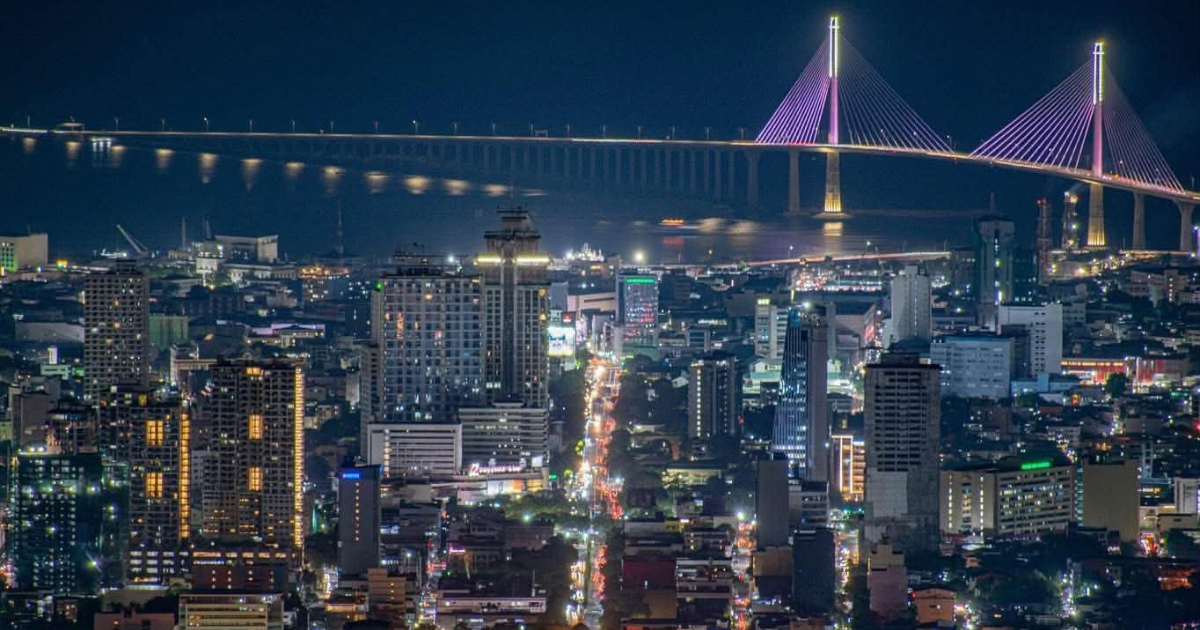
Wherever life may lead, Cebu City possesses a remarkable ability to leave a lasting impression.
From the breathtaking vantage point of Tops Lookout, the Queen City of the South unfolds into a vast expanse of shimmering lights beneath the evening sky — a striking panorama of towering structures, bustling streets, flourishing enterprises, and modern infrastructure that continue to establish Cebu as one of the Philippines’ most progressive urban centers.
For many visitors and returning Cebuanos, the skyline symbolizes growth, resilience, and opportunity. It reflects the story of a city that has evolved across generations while preserving its rich culture, historical heritage, and enduring Bisaya identity. From historic landmarks and vibrant commercial districts to the serene mountain roads overlooking the cityscape, Cebu continues to maintain a delicate balance between tradition and modernization.
Beyond its mountains and illuminated skyline, Cebu is ultimately defined by its people — hardworking, resilient, innovative, and deeply proud of their heritage. It is a city where aspirations are pursued, businesses prosper, and countless families continue striving toward a better future.
However, despite the vibrant skyline and visible developments, many residents and online observers have expressed concerns regarding the realities that continue to affect daily life within the city.
Among the most frequently raised concerns is the persistent flooding experienced in several areas, even during relatively brief periods of moderate rainfall. While Cebu continues to expand through the construction of new roads, condominiums, shopping centers, and commercial establishments, many residents still contend with inadequate drainage systems, traffic congestion, overcrowding, and urban flooding that disrupt transportation, businesses, and communities.
For some observers, these issues prompt a broader discussion regarding the true meaning of progress.
Modern buildings, dazzling city lights, and expansive infrastructure may represent economic activity, but they do not necessarily ensure that the quality of life for ordinary citizens improves equally. Despite Cebu’s rapid urban development and reputation as one of the country’s leading economic centers, poverty remains a significant concern in numerous communities throughout the province.
This comparison has also generated discussions online after some netizens observed that provinces such as Ilocos Norte, despite being predominantly agricultural, reportedly maintain considerably lower poverty rates than more urbanized regions. The discussion underscores an important point: development should not be measured solely by skylines and commercial expansion, but also by the overall quality of life experienced by the population.
True progress is reflected in accessible healthcare, efficient public transportation, disaster-resilient infrastructure, stable livelihood opportunities, quality education, environmental sustainability, and meaningful reductions in poverty across communities.
Nevertheless, Cebu remains a city filled with promise and potential. Its resilience in the face of challenges, natural disasters, economic transitions, and rapid urbanization continues to define the spirit of its people. Beyond the criticisms and concerns, many continue to believe in Cebu’s capacity to improve, adapt, and evolve into a more inclusive and sustainable city for future generations.
Ultimately, Cebu is far more than a skyline viewed from the mountains. It is a living narrative of ambition, struggle, culture, perseverance, and hope — a place that continues to draw people back home regardless of where life may take them.
Photos by June Chrysler Mangyao

Comments